Holistic Nutrition: Balance Your Body Naturally

Updated: Sep 7
In a world filled with quick fixes and fad diets, the concept of holistic nutrition stands out as a beacon of balance and well-being. Holistic nutrition emphasizes the importance of nourishing the body as a whole, rather than focusing solely on individual nutrients or weight loss. This approach recognizes that our physical, mental, and emotional health are interconnected, and that what we eat plays a crucial role in our overall wellness.
Understanding Holistic Nutrition
Holistic nutrition is more than just a diet; it is a lifestyle choice that promotes health through natural foods, mindful eating, and a balanced approach to life. Here are some key principles of holistic nutrition:
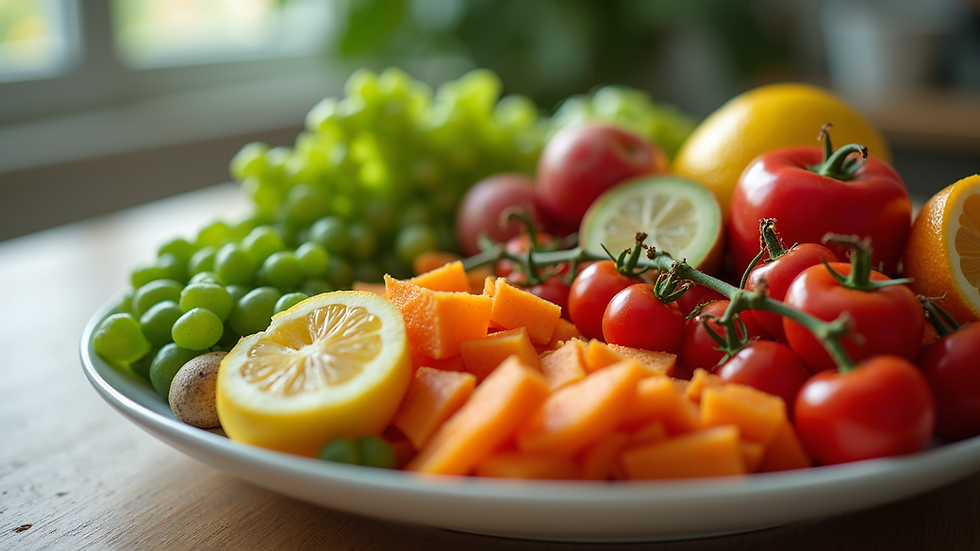
Whole Foods: Focus on unprocessed, natural foods that are rich in nutrients. This includes fruits, vegetables, whole grains, nuts, and seeds.
Mindful Eating: Pay attention to what you eat and how it makes you feel. This practice encourages a deeper connection with food and can help prevent overeating.
Balance: Strive for a balanced diet that includes a variety of food groups. This ensures that your body receives all the essential nutrients it needs to function optimally.
Personalization: Recognize that each individual has unique dietary needs based on their lifestyle, health conditions, and preferences.
The Benefits of Holistic Nutrition
Adopting a holistic approach to nutrition can lead to numerous benefits, including:
Improved Digestion: Whole foods are easier for the body to digest and can help alleviate common digestive issues.
Increased Energy Levels: A balanced diet provides the necessary fuel for your body, leading to higher energy levels throughout the day.
Enhanced Mental Clarity: Proper nutrition supports brain health, improving focus and cognitive function.
Emotional Well-being: The foods we eat can influence our mood. A diet rich in nutrients can help stabilize emotions and reduce anxiety.
Key Components of a Holistic Nutrition Plan
Creating a holistic nutrition plan involves several components that work together to support overall health. Here are some essential elements to consider:
1. Nutrient-Dense Foods
Focus on incorporating nutrient-dense foods into your meals. These foods provide a high amount of vitamins, minerals, and other beneficial compounds relative to their calorie content. Examples include:
Leafy greens (spinach, kale)
Berries (blueberries, strawberries)
Lean proteins (chicken, fish, legumes)
Healthy fats (avocado, olive oil)
2. Hydration
Staying hydrated is crucial for maintaining optimal health. Water plays a vital role in digestion, nutrient absorption, and detoxification. Aim to drink at least eight glasses of water a day, and consider incorporating herbal teas or infused water for added flavor and benefits.
3. Mindfulness Practices
Incorporating mindfulness into your eating habits can transform your relationship with food. Try the following techniques:
Eat Slowly: Take your time to chew and savor each bite. This can enhance digestion and help you recognize when you are full.
Eliminate Distractions: Avoid eating in front of screens. Instead, create a calm environment to enjoy your meals.
Listen to Your Body: Pay attention to hunger and fullness cues. This practice can help you make healthier choices and avoid emotional eating.
4. Regular Physical Activity
Exercise is a vital component of holistic nutrition. Regular physical activity not only supports physical health but also enhances mental well-being. Aim for at least 150 minutes of moderate aerobic activity each week, combined with strength training exercises.
5. Emotional and Mental Health
Holistic nutrition recognizes the importance of emotional and mental health in overall wellness. Consider practices such as:
Meditation: Regular meditation can reduce stress and improve mental clarity.
Journaling: Writing about your thoughts and feelings can help you process emotions and identify patterns related to food and eating.
Support Systems: Surround yourself with supportive friends and family who encourage healthy habits.
Common Misconceptions About Holistic Nutrition
Despite its growing popularity, there are several misconceptions about holistic nutrition that can lead to confusion. Here are a few to clarify:
Myth 1: Holistic Nutrition is Just Another Diet
While many diets focus on calorie restriction or specific food groups, holistic nutrition emphasizes a balanced approach to eating that nurtures the whole person. It is not about deprivation but rather about making informed choices that support health.
Myth 2: You Have to Give Up Your Favorite Foods
Holistic nutrition does not require you to eliminate your favorite foods. Instead, it encourages moderation and balance. You can enjoy treats occasionally while prioritizing nutrient-dense options most of the time.
Myth 3: It’s Only for Health Enthusiasts
Holistic nutrition is accessible to everyone, regardless of their current health status or dietary knowledge. It is about making small, sustainable changes that can lead to improved health over time.
Practical Tips for Implementing Holistic Nutrition
Transitioning to a holistic nutrition approach can be simple and rewarding. Here are some practical tips to get started:
Start Small
Begin by incorporating one or two whole foods into your diet each week. Gradually increase the variety of foods you consume to create a more balanced diet.
Meal Prep
Planning and preparing meals in advance can help you make healthier choices. Set aside time each week to cook and portion meals, making it easier to stick to your holistic nutrition goals.
Experiment with New Recipes
Explore new recipes that focus on whole foods and nutrient-dense ingredients. This can make healthy eating enjoyable and exciting.
Seek Professional Guidance
If you’re unsure where to start, consider consulting with a registered dietitian or nutritionist who specializes in holistic nutrition. They can provide personalized guidance and support.
Embracing Holistic Nutrition for Lasting Well-being
Holistic nutrition offers a comprehensive approach to health that emphasizes balance, mindfulness, and whole foods. By nourishing your body naturally, you can improve your physical, mental, and emotional well-being. Remember, the journey to better health is a personal one, and small, consistent changes can lead to significant results. Start today by making mindful choices and embracing the power of holistic nutrition in your life.
In this journey, I find that the phrase "achieving lasting wellbeing" resonates deeply. It reminds me that every small step I take contributes to a healthier, more balanced life.
Conclusion
Holistic nutrition is not just a trend; it is a way of life that nurtures the whole person. By focusing on whole foods, mindful practices, and emotional health, we can create a sustainable path to wellness. Embrace this journey with patience and kindness towards yourself. Each choice you make is a step towards a healthier, more vibrant you.



Comments